

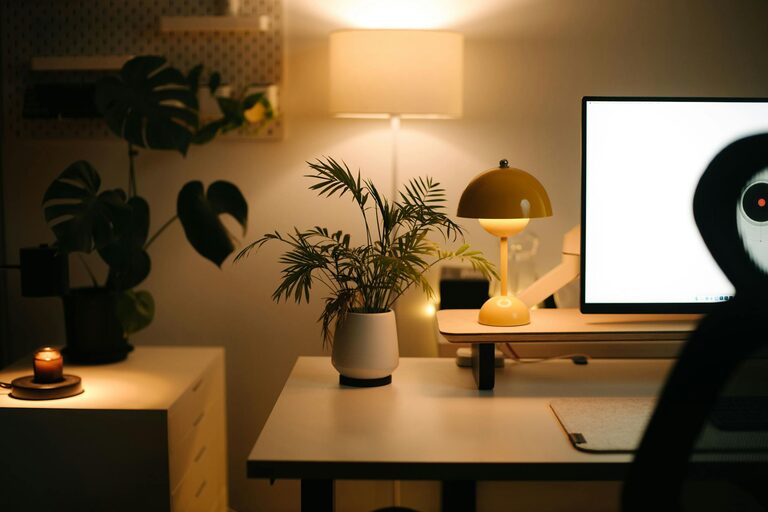
Creating a cozy and inviting home office space can make a big difference in how you feel during your workday. A comfortable environment not only enhances your mood but also helps you stay focused and productive. Whether you work remotely, study from home, or simply need a dedicated spot for personal projects, setting up a pleasant workspace is essential. In this post, we’ll explore practical tips and ideas to help you design a home office that feels warm, welcoming, and functional.
Choose the Right Location
The first step to creating a cozy home office is selecting the ideal spot. Consider a space that offers enough privacy and minimal distractions. Here are some factors to think about:
– Natural Light: Try to pick a room or corner near a window. Natural light boosts your energy and creates a cheerful atmosphere.
– Noise Levels: Avoid busy or noisy areas of your home to help you concentrate better.
– Ventilation: Good airflow is important for comfort during long hours of work.
– Space: Make sure the area is large enough for your desk, chair, and any other equipment you need.
Invest in Comfortable Furniture
Comfort is key for a cozy office. Spending time in an uncomfortable chair or cramped desk can lead to fatigue and frustration.
– Ergonomic Chair: Choose a chair that supports your back and allows you to sit with proper posture.
– Desk Size: Pick a desk that fits your work materials without feeling overcrowded.
– Adjustable Features: Desks and chairs with adjustable heights let you customize the setup for your comfort.
– Additional Seating: If space allows, adding a small armchair or cushioned bench can create a relaxing reading or brainstorming spot.
Use Warm and Inviting Colors
Color plays a big role in setting the mood. Warm, soft tones tend to make spaces feel cozier and more welcoming.
– Wall Colors: Shades like soft beige, muted greens, or gentle blues can create a calming background.
– Accent Pieces: Incorporate colors through pillows, rugs, or artwork that reflect your personal style.
– Avoid Harsh Brights: Try to avoid overly bright or neon colors that might feel jarring in a workspace.
Personalize Your Décor
Adding personal touches makes your office feel like your own space and increases your enjoyment.
– Photos and Artwork: Display images that inspire you or bring happy memories.
– Plants: Indoor plants not only brighten the room but can improve air quality and reduce stress.
– Decorative Objects: Choose items that reflect your interests, such as books, collectibles, or unique crafts.
Organize Efficiently
Clutter can quickly ruin a cozy feeling. Keeping your office neat and organized will help you focus and feel relaxed.
– Storage Solutions: Use shelves, drawers, or baskets to keep supplies out of sight but within reach.
– Desk Organization: Keep only daily essentials on your desk surface to maintain clarity.
– Digital Organization: Tidying up your computer files and desktop can improve your workflow.
Optimize Lighting
Good lighting is essential, especially if your office has limited natural light.
– Layered Lighting: Combine overhead lights with task lighting like desk lamps to reduce eye strain.
– Warm Bulbs: Use bulbs with warm tones instead of harsh white light for a cozier feel.
– Adjustable Lamps: A lamp with adjustable brightness or direction helps tailor lighting to your task.
Add Cozy Textiles
Soft textures can make your workspace feel more inviting and comfortable.
– Rugs: A soft area rug adds warmth underfoot and can define your office area.
– Throw Blankets and Cushions: These provide comfort and can be changed seasonally for a fresh look.
– Curtains: Choose curtains or blinds that complement the room and soften the light entering your office.
Maintain a Comfortable Temperature
Temperature control plays a subtle role in comfort and concentration.
– Heating and Cooling: Use portable fans or heaters if needed to maintain a pleasant temperature.
– Air Quality: Consider an air purifier if your space feels stuffy or dry.
Create Zones for Different Activities
If space allows, divide your office into areas with distinct purposes.
– Work Zone: This is your main desk area for computer and paperwork.
– Relaxation Zone: A cozy chair or nook for breaks or reading.
– Storage Zone: Shelves and cupboards for organizing materials.
Set Boundaries
Having clear boundaries between your office and rest of your living space helps maintain a healthy work-life balance.
– Physical Barriers: Consider screens or curtains if your office is in a shared room.
– Visual Cues: A dedicated workspace signals to yourself and others when you are working.
– Routine: Establish start and end times for your workday to maintain structure.
—
By thoughtfully combining these tips, you can create a home office space that is both cozy and inviting. Your workspace should support your productivity while also feeling like a place you enjoy spending time in. Start with small changes like adding plants or a comfortable chair, and continue adjusting your setup until it matches your needs perfectly. A pleasant work environment is an investment in your daily happiness and success.